
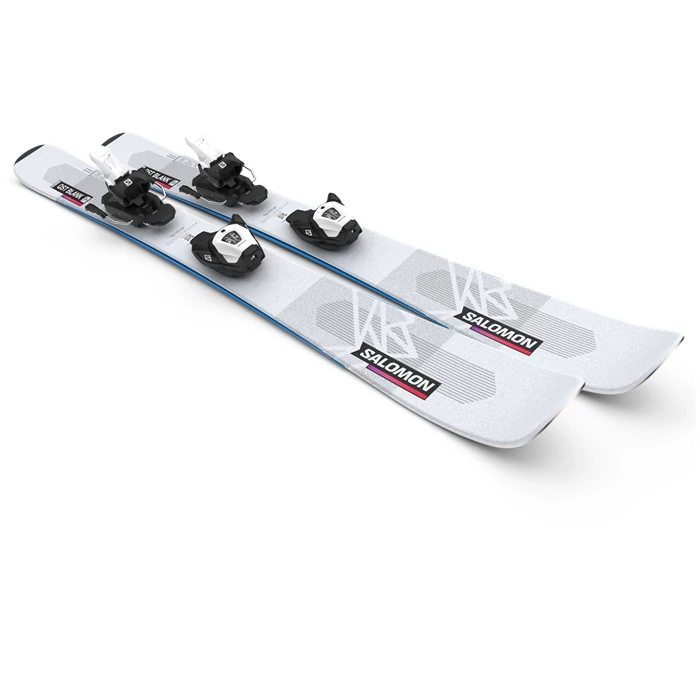
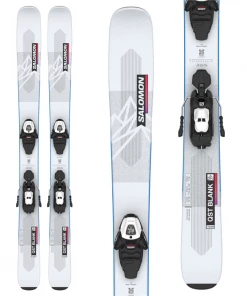
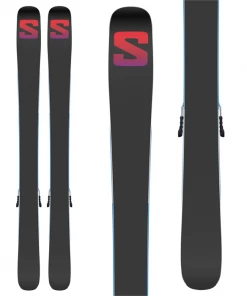
Original price was: $399.95.$98.99Current price is: $98.99.
- 100% High Quality Guarantee
- Unbeatable quality, unbeatable prices.
- Streamlined service, designed for your convenience.
- Your needs, our top priority.

Product Details
Rocker Type
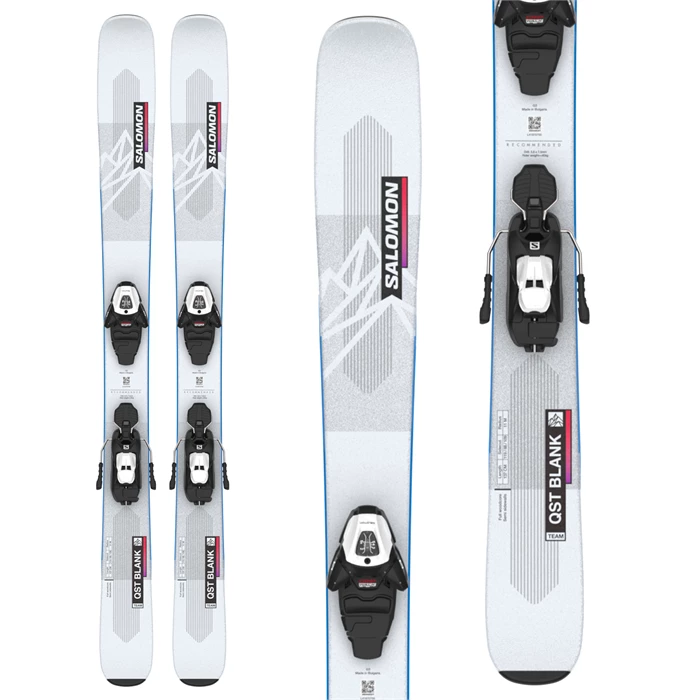
All-Terrain Rocker
Core
Poplar Full Woodcore
–
A woodcore from tip to tail offers optimum stability on snow and powerful rebound. Maximizes ski-to-snow contact and filters vibrations.

Sidewalls
ABS Sidewalls
Graphics
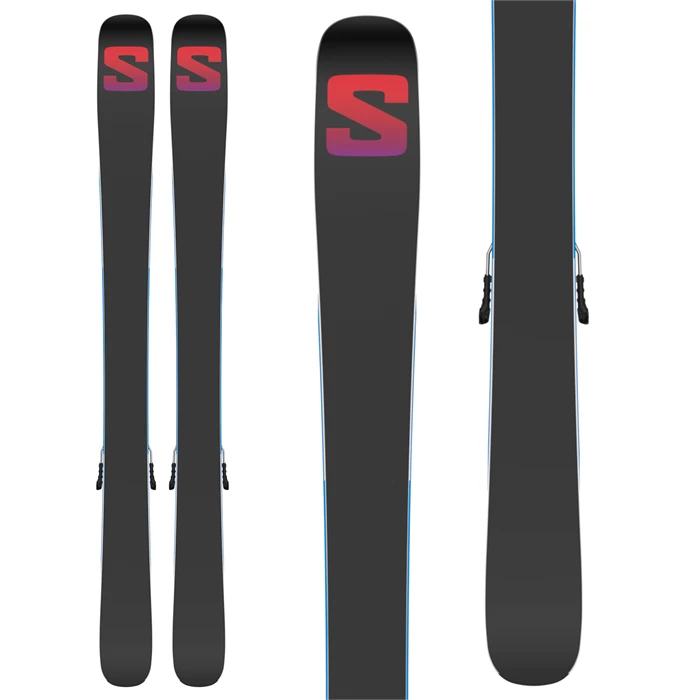
Corund Topsheet
Included Bindings
Bindings Do Not Come Mounted to Skis
–
Always have a certified binding technician mount and adjust your bindings.
Includes L6 GW Bindings
–
DIN Range 2 – 5.5
Specs
- Terrain:
All-Mountain, Big Mountain, PowderTerrain


All-Mountain
All-mountain skis are designed to handle anything you throw at them including powder, ice, groomers, steeps, heavy snow, and everything in between, but they aren’t necessarily a master of any one terrain. If you’re only going to own one ski to do it all, this is what you want. All-mountain skis generally have what we call mid-fat waists that range from 80-110 mm. Big Mountain
Big mountain skis are designed for charging big lines with high speeds and big airs. These skis varry in width from wide, powder-oriented skis for skiing Alaska spines to narrower, mixed condition skis for ripping the beat up headwall at your local mountain. Skis in this category tend to be on the stiffer side, often with more rocker in the tip and less in the tail. Powder
These skis are for the deep days. If you like to find powder stashes at your local resort, go on backcountry missions for the freshest of fresh or heli ski trips to BC, powder skis are what you need to stay afloat. Skis in the powder category are wide and most often have some form of rocker or early rise plus a relatively soft flex. Many powder skis today are versatile enough to handle mixed conditions and harder snow.
- Skis:
With Bindings - Ability Level:
Intermediate-AdvancedAbility Level

Intermediate-Advanced
Whether you’re a progressing intermediate exploring new runs and terrain, or an accomplished rider seeking new thrills, the majority of skiers and snowboarders fall into this level. Intermediate to advanced skis and snowboards may be somewhat wider or stiffer than beginner-intermediate skis and snowboards, usually with a stronger wood core and sandwich sidewall construction. Intermediate to advanced boots and bindings range from softer flexing freestyle options to stiffer choices built for stability at speed. - Rocker Type:
Rocker/Camber/RockerRocker Type

Rocker/Camber/Rocker
Rocker/Camber/Rocker skis have the playfulness and float of a rockered ski as well as the added edge hold of a cambered ski. The contact points on skis with this profile are closer towards the middle of the ski than a fully cambered ski, but still not underfoot. The cambered midsection provides a longer effective edge on hardpack, increasing edge hold and stability, while the rockered tip and tail provide floatation in deeper snow and allow the ski to initiate and release from turns easier. - Turning Radius:
Short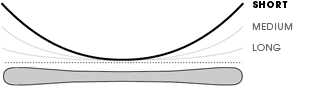
- Core/Laminates:
Wood - Tail Type:
Partial Twin TipTail Type
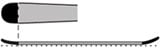
Partial Twin Tip
Partial twin tip skis have a tail that is turned up, but not as much as the tip. This gives you the ability to ski backwards and back out of tight spaces, but these skis are mainly designed to ski forward. - DIN: Release Value Low:
2 - DIN / Release Value High:
5.5 - Warranty:
2 Years
| Size (cm) | 128 | 137 | 146 | 152 |
|---|---|---|---|---|
| Tip Width (mm) | 123 | |||
| Waist Width (mm) | 92 | |||
| Tail Width (mm) | 113 | |||
| Turning Radius (m) | 12 | |||
| Indiv. Ski Weight (g) | 1146 |
| Size | 146 cm, 152 cm |
|---|
Be the first to review “Salomon QST Blank Team Skis + L6 GW Bindings – Kids’ 2023”
Related products
Salomon Ski Boots
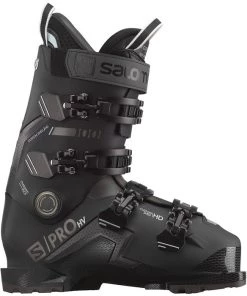
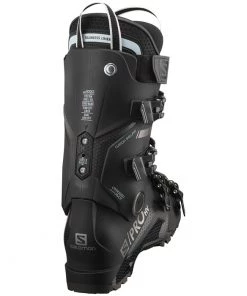
Salomon Ski Boots
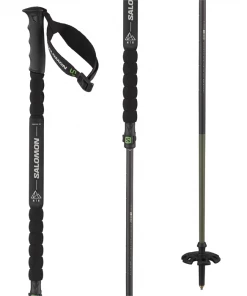
Backcountry Ski Gear
Salomon
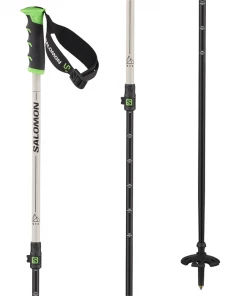
Backcountry Ski Gear
Alpine Touring Boots
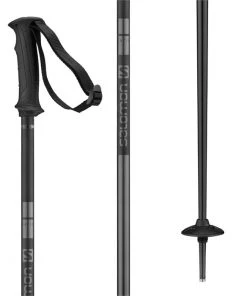
Salomon Ski Poles
Reviews
There are no reviews yet.